Playlist Obesity
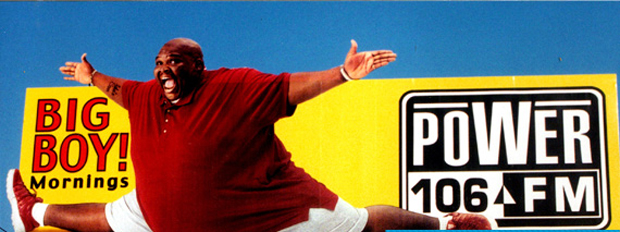
When we review a station’s music library, we often find the same problem: too many titles. Many libraries aren’t just big, they’re grossly overweight! It looks impressive in the music software, and it may justify your “great variety” positioning. But on the air? It’s a slow-motion audience leak. Your library is too fat with unfamiliar favorites.
With an oversized library, it takes too long for listeners to hear a familiar hit—the songs they came for in the first place. Instead of delivering familiarity, you’re delivering surprises. And in radio, surprises are overrated. Nobody ever said, “I love this station; I never recognize anything!”
Put your playlist on a GLP-1 weight loss program! A bloated library dilutes your rotation, muddies your brand, and weakens your ability to create momentum. What you gain in “variety,” you lose in impact, identity, and time spent listening.
The best fix isn’t complicated: be leaner, be intentional, and play the right songs more often.
1. Make Your Musical Brand Predictable (In a Good Way)
A winning radio brand isn’t built on variety—it’s built on repetition with purpose. Listeners don’t hang around long enough to sample your entire 1,000-song jukebox. But they do notice when they hear songs they love consistently, every time they tune in.
A large library creates:No clear era No clear promise No clear identity
In other words, your station becomes musical wallpaper. Pleasant, but invisible. Great stations don’t “show off” how many songs they have. They show off how often they play the right ones. Listeners don’t just want “variety”; they want to hear a great variety of their favorite songs when they tune in. Hits, not misses.
2. Consistency Drives Listener Expectations
Listeners are creatures of habit. (So are programmers, but that’s another article.) Listeners come to your station with expectations:
- What favorite song will I hear?
- What artists?
- Is it a song I know and love?
When your library is too big or your rotations are too loose, you break that expectation. And when that happens, listeners quietly do what they always do. They leave.
Consistency is the currency of successful radio. Every time you meet expectations, you make a deposit. Every time you miss them, you make a withdrawal. Guess which one builds TSL?
3. Play the Audience’s Favorite Songs (Not Yours)
Here’s the math most stations try to ignore: Each year, a format produces fewer than 20 true hit songs, the ones that stick, test, and become long-term favorites.
Over 20 years, that gives you roughly:300–400 total hits 70–100 “Power Gold” records And about 35–45 absolute, can’t-miss, play-them-or-else hits.
Now compare that to the typical “variety” library of 800 to 1,200 songs. That’s not a library—that’s a hiding place. You’re burying your best songs under a pile of “kind of remember it,” “used to like it,” and “wait…what is this?” Listeners don’t give you extra credit for deep cuts. They reward you for delivering favorites every time they tune in—instant gratification.
4. Build a Comfort Zone (Not a Scavenger Hunt)
Great stations feel like home. Familiar. Effortless. Reliable. That “comfort zone” is built with:High-familiarity songs Tight, confident rotations A focused era A consistent emotional lane
A giant library destroys that feeling. It turns your station into a musical scavenger hunt: “Stick around… your favorite might be next!” That’s not a strategy. That’s wishful thinking.
You don’t win by playing more songs. You win by playing the right songs, more often, in the right rotation.
The Bottom Line
Winning Gold-based music stations understand this:A clear brand beats a big library Focused eras beat wide playlists Familiarity beats variety And hearing a favorite now beats hearing it eventually
When you tighten your library, everything improves:Flow Tempo Artist balance TSL And most importantly… listener satisfaction
Because at the end of the day, your audience isn’t asking for more songs. They’re asking for their favorite songs.
If your library is so big that your best songs need a GPS to find airtime, it’s time for a clean-up. For a music library analysis and strategic check-up, contact Lund Media Group. Let’s turn that library from a warehouse… into a hit machine.
Is your playlist working as hard as it should be?
Most stations don’t have a music problem—they have a library size problem: too many songs, not enough impact, and too little repetition of the right titles.
At Lund Media Group, we conduct Playlist Health™ Audits that diagnose library bloat, rotation dilution, and familiarity gaps—then build a focused treatment plan designed to improve flow, brand clarity, and time spent listening.
We start by comparing your library to our regional and local researched playlist for your format and target demo. We review song codes, clocks, categories, and rotations. We may update the clocks, create new categories, recommend deleting categories that don’t work, and provide a revised library programmed directly into your music software.
We help increase time spent listening by providing the best targeted music for your format, target demographic, and market.
If your station feels like it’s playing more music but getting less impact, it may be time for a check-up. The Lund Playlist Health™ Audit can help build an audience.
Contact John Lund, john@lundradio.com or call 650-692-7777.
Radio Reaches 93% of all US Adults.
Nielsen, using its own data as well as research from Edison Research’s Share of Ear Study, published its Audio Today 2026 report. Some of the key findings include:
1. Radio reaches 93% of all U.S. adults monthly, outperforming smartphones (89%), TV (84%), and PCs (76%). Its reach is nearly universal among Hispanic (94%) and Black (93%) consumers.
2. AM/FM radio commands more than 80% of all ad-supported audio time in vehicles. Nearly three-quarters of out-of-home radio use during peak drive times occurs in the car, placing brands closest to the point of purchase.
3. A significant “perception gap” exists; while marketers often rank radio low for effectiveness, Nielsen data reveals it delivers the highest ROI of any platform, trailing only social media.
4. Radio and podcasts combined account for more than 80% of all daily ad-supported audio time, while streaming music accounts for only 15%.
Programming a Successful Strategy
1. Personality is paramount. Recruit and groom creative, passionate talents who sound interesting and relish sounding great. Review performances often and provide help. Establish a climate of improvement.
2. Establish a unique sound and Stationality. Positioning, branding, and imaging are essential. Image the station so exclusive benefits are constantly sold. Showcase ways listeners can “use” your programming in the morning, at work, and in the car.
3. Make promotions fun, easy, and entertaining. The station sounds exciting with innovative contests and features designed to attract and hold the listeners’ attention. Promote your major contest three times an hour with liners and winner promos. Offer the best prizes and heavily promote before and after each promotion.
4. Connect locally. Localism is a hallmark of radio done right. Great stations highlight local events, activities, lifestyle, and culture with personalities who sound plugged in, approachable, and relevant to their market. Strive for two localisms an hour.
Featured Promotion: Secret Sound
This awesome promotion works for all formats. Every listener is challenged to guess the strange sound, and they listen hourly for clues and to correct their wrong guesses. The game gets people playing along, even though they don’t necessarily call in. The promotion creates talk and builds time spent listening.
Examples of sounds:
+ Baseball being thrown into a baseball glove
+ A basketball being dropped into a trash can full of foam peanuts
+ The slicing of a pear
+ Two batteries being dropped into a flashlight
The Secret Sound is easy for listeners to understand, and it’s fun to play. We’ve written a 30-page Secret Sound contest stylebook with promos, contest rules, and many sound examples. Email us.
Need a new contest idea?
We have many other promotions to wow your listeners. Do you want a new promotion to increase listening and please that demanding client? How about your next “larger than life” contest for Q1? We have a hundred terrific contests. You’ll find contests and execution steps in the Lund Contest Guide. Your listeners are engaged, have fun, and you make more money! What can be easier?
Share some of your favorite contests with us! Email John Lund.